Professional Degree vs Academic Degree: What’s the Difference?
londonde
October 27th, 2025
Introduction
Are you torn between pursuing a professional degree or an academic degree? This confusion affects thousands of students every year, often leading to career dissatisfaction and wasted time. Choosing the wrong educational path can cost you years of progress, limited job opportunities, and financial setbacks. This comprehensive guide breaks down everything you need to know about professional degree vs academic degree—helping you make an informed decision that aligns with your career aspirations and personal goals.
What is a Professional Degree?
A professional degree is a specialized academic qualification designed to prepare students for specific careers or professions. Unlike traditional academic programs, professional degrees focus on practical skills, hands-on training, and industry-relevant competencies that enable graduates to enter the workforce immediately.
Core Characteristics of Professional Degrees:
Career-focused curriculum aligned with industry standards
Practical training through internships, workshops, and real-world projects
Shorter duration compared to traditional academic routes
Direct pathway to employment in specialized fields
Industry-recognized certifications and accreditations
Skill-based assessment rather than purely theoretical evaluation
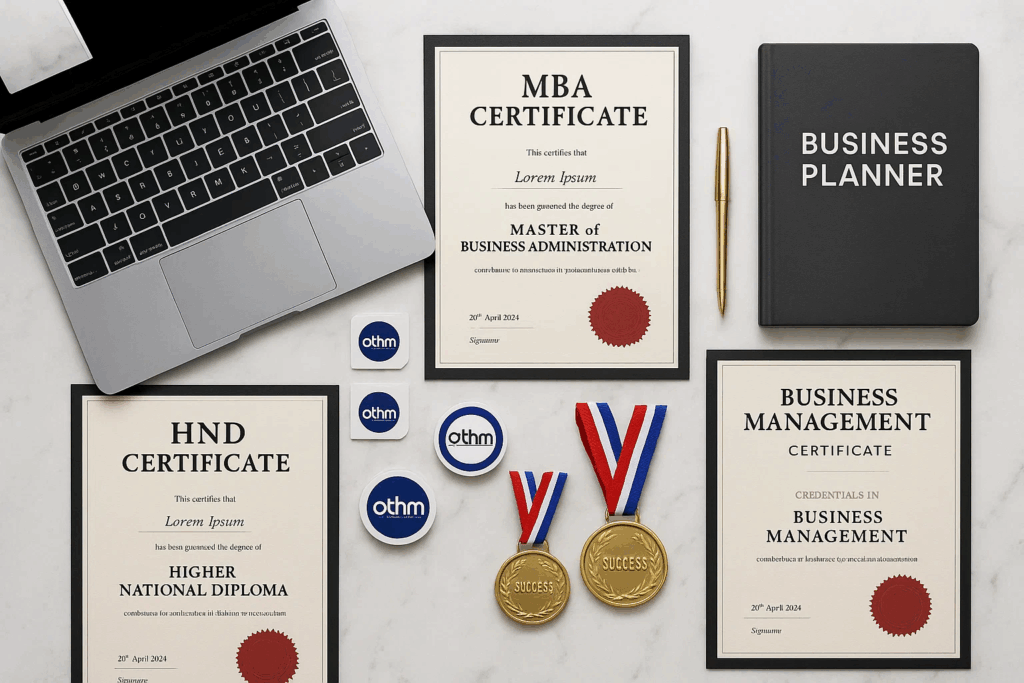
Professional degrees are particularly popular in fields like business management, accounting, hospitality, healthcare, and information technology. For instance, International Diploma qualifications and HND courses are excellent examples of career-oriented professional programs.
💡 Pro Tip: Professional degrees typically include mandatory work placements or industry projects, giving you a competitive edge in the job market.
What is an Academic Degree?
An academic degree is a traditional qualification focused on theoretical knowledge, research methodologies, and comprehensive understanding of a specific discipline. These degrees emphasize critical thinking, analytical skills, and scholarly research rather than immediate job readiness.
Core Characteristics of Academic Degrees:
Theory-heavy curriculum with emphasis on foundational concepts
Longer duration with multiple levels (Bachelor’s, Master’s, PhD)
Broad knowledge base across various subjects
Focus on intellectual development and analytical reasoning
Academic rigor with comprehensive examinations and dissertations
Academic degrees like BA Honours programs and BSc Honours degrees provide students with deep subject expertise and prepare them for research-based careers or further academic pursuits.
Key Differences Between Professional and Academic Degrees
Understanding the professional degree vs academic degree debate requires examining several critical factors:
1. Primary Objective
Professional Degrees: Prepare students for immediate employment in specific careers Academic Degrees: Develop comprehensive knowledge and research capabilities
2. Curriculum Design
Professional Degrees:
Industry-specific courses
Practical workshops and simulations
Current market trends and tools
Real-world case studies
Employer-driven competencies
Academic Degrees:
Theoretical frameworks
Historical perspectives
Research methodologies
Comprehensive literature reviews
Abstract conceptual thinking
3. Assessment Methods
Professional Degrees: Project portfolios, practical examinations, internship evaluations, skill demonstrations
Academic Degrees: Written examinations, research papers, dissertations, oral presentations, theoretical assignments
4. Duration and Flexibility
Professional degrees often offer:
Accelerated timelines (1-2 years)
Evening and weekend classes
Online and hybrid formats
Modular structures
Academic degrees typically require:
Standard 3-4 years for bachelor’s
Fixed schedules
Traditional classroom settings
Sequential progression
5. Career Pathways
Professional Degrees: Direct entry into specific roles (accountant, project manager, hospitality manager)
Academic Degrees: Broader career options, academia, research positions, or further specialization
Professional Degree vs Academic Degree: Side-by-Side Comparison
Factor
Professional Degree
Academic Degree
Focus
Practical skills & employability
Theoretical knowledge & research
Duration
1-3 years
3-6 years
Learning Approach
Hands-on, industry-oriented
Lecture-based, research-focused
Assessment
Projects, practicals, portfolios
Exams, dissertations, papers
Career Readiness
Immediate
Requires additional training
Flexibility
High (online, part-time options)
Moderate to low
Cost
Generally lower
Generally higher
Qualification Examples
HND, International Diploma, MBA
BA, BSc, MA, MSc, PhD
Industry Recognition
Specific sectors
Broad recognition
Ideal For
Career changers, working professionals
Fresh graduates, researchers
Which Degree Should You Choose?
Selecting between a professional degree vs academic degree depends on your personal circumstances, career goals, and learning preferences.
Choose a Professional Degree If:
You want to enter the workforce quickly
You prefer hands-on learning over theoretical study
You have a clear career path in mind
You’re a working professional seeking career advancement
You value practical skills and industry certifications
You want shorter, flexible programs that fit your schedule
You’re interested in fields like business management, hospitality, or logistics
💡 Key Insight: Many successful professionals combine both approaches—starting with an academic bachelor’s degree and later pursuing professional certifications or specialized master’s programs.
Popular Professional Degrees
1. MBA (Master of Business Administration)
The MBA degree remains one of the most sought-after professional qualifications globally. It focuses on:
Roles: Professor, Research Scientist, Subject Matter Expert
Industries: Universities, research institutions, corporate R&D
💡 Important Note: Salary ranges vary significantly by location, industry, and experience. UAE-based positions often offer tax-free salaries and additional benefits.
How to Choose the Right Institution
Whether you opt for a professional or academic degree, selecting the right institution is crucial for your success.
If you’re based in the UAE and exploring professional degree vs academic degree options, choosing reputable Degree colleges in Dubai is essential. Look for institutions that offer:
UK-accredited programs with global recognition
Flexible learning formats suitable for working professionals
The professional degree vs academic degree decision ultimately depends on your unique situation, career aspirations, and learning preferences. Professional degrees offer immediate employability, practical skills, and faster entry into the workforce—ideal for career-focused individuals and working professionals. Academic degrees provide comprehensive theoretical knowledge, research capabilities, and broader career flexibility—perfect for those pursuing research, academia, or specialized fields.
The best approach? Consider your:
Career goals: Immediate employment or long-term academic pursuits?
Learning style: Hands-on practical or theory-based research?
Time availability: Quick qualification or traditional university experience?
Financial situation: Shorter, affordable programs or comprehensive long-term investment?
Industry requirements: What do employers in your field prefer?
Remember, there’s no universally “better” option—only what’s right for you. Many successful professionals combine both approaches throughout their careers, starting with academic foundations and later pursuing professional specializations.
Ready to take the next step? Explore accredited degree programs that align with your career goals and start building your future today.
Frequently Asked Questions
Can I pursue a professional degree after completing an academic degree?
Yes, absolutely! Many students complete academic bachelor’s degrees and then pursue professional qualifications like MBAs, specialized diplomas, or industry certifications to enhance their employability.
Are professional degrees recognized globally?
Most professional degrees from accredited institutions are recognized internationally, especially UK-accredited qualifications like International Diploma and HND. Always verify recognition in your target country or industry.
Which degree is better for career advancement?
Both can support career advancement. Professional degrees offer immediate practical skills for current roles, while academic degrees provide broader knowledge for leadership positions. Learn more about how postgraduate degrees lift your career.
Can I switch from a professional degree to an academic path?
Yes, many professional qualifications offer progression routes to academic programs. For example, HND graduates can advance to bachelor’s degrees with advanced standing.
Are professional degrees easier than academic degrees?
Not necessarily. Professional degrees require different skills—practical application, project work, and real-world problem-solving. Academic degrees demand theoretical understanding and research capabilities. Both are challenging in different ways.
How do employers view professional vs academic degrees?
Employers value both, depending on the role. Technical and managerial positions often prefer professional qualifications with relevant experience, while research, policy, and academic roles typically require traditional academic degrees.
What’s the cost difference between professional and academic degrees?
Professional degrees are generally more affordable due to shorter duration and flexible delivery. Academic degrees, especially at traditional universities, tend to be more expensive due to longer programs and comprehensive facilities.
Can I pursue both types simultaneously?
Some institutions offer integrated programs combining academic rigor with professional training. However, pursuing two separate full-time degrees simultaneously is challenging and rarely recommended.
Unlock Your Career Growth
Join London DE International College to unlock your potential and excel in today’s dynamic world. Our diverse range of programs is designed to equip you with the knowledge and skills needed to thrive in high-demand fields such as business, healthcare, IT, and language studies.